Get Fit at Home: Effective Workouts & Simple Progress
Is it possible to get fit with home workouts?
Yes—getting fit at home is absolutely possible, as long as workouts are consistent and progressively challenging. Fitness comes from stimulus and recovery, not from a specific location. With smart programming, bodyweight movements, a few inexpensive tools, and a plan to track progress, home training can build strength, improve endurance, and support fat loss.
What “getting fit” can look like at home
Home workouts can improve cardiovascular capacity (through intervals, circuits, or steady sessions), increase muscle tone and strength (push-ups, squats, rows, presses), and boost mobility (dynamic warmups and stretching). The key is choosing exercises that match your goal and repeating them often enough to improve measurable markers like reps, time, or resistance.
How to make home workouts effective
Start with a simple schedule—3 to 5 sessions per week—and focus on full-body movements. Use progressive overload by adding reps, slowing tempo, shortening rest, increasing range of motion, or adding resistance (dumbbells, bands, a loaded backpack). Pair strength sessions with conditioning (jump rope, brisk walking, stair intervals, or low-impact cardio) and prioritize sleep and protein to support recovery.
Common pitfalls to avoid
Many people stall by doing random workouts, never increasing difficulty, or skipping rest days. Another issue is going too hard too soon, which can lead to soreness that derails consistency. A realistic plan you can repeat beats occasional “perfect” workouts.
For a deeper breakdown of routines, equipment ideas, and progression tips, visit the main guide on getting fit with home workouts.
For Get Fit at Home: Effective Workouts & Simple Progress, the best answer depends on fit, material, care instructions, and how the product will be used day to day.
Checking those details first helps avoid a poor match and keeps the choice practical after delivery.
FAQ
What equipment do you need for an effective home workout?
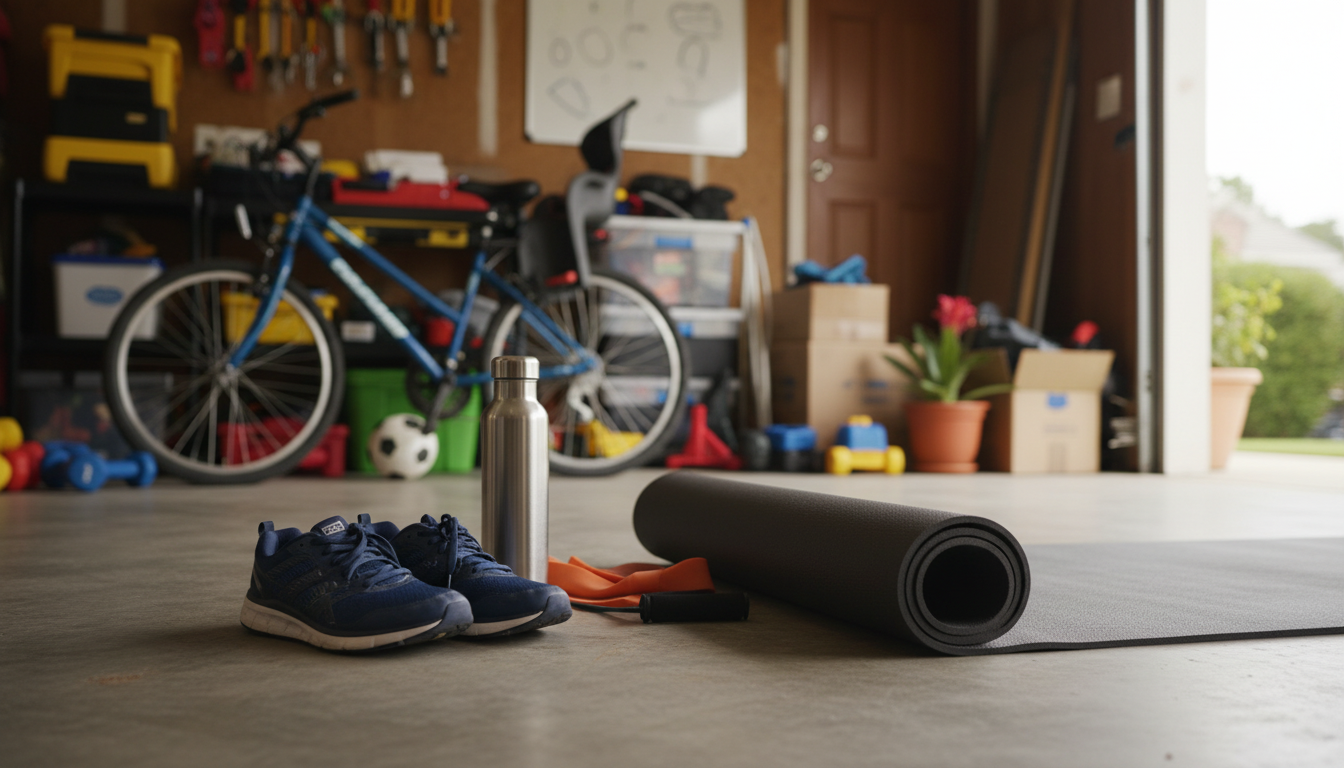
You can get strong with just bodyweight, but a resistance band and a pair of adjustable dumbbells (or a kettlebell) make progression much easier. A yoga mat and a jump rope are also helpful for comfort and cardio.











Leave a comment