Cat vs Dog Personality: Affection, Independence & Bonding
What is the personality of a cat vs dog?
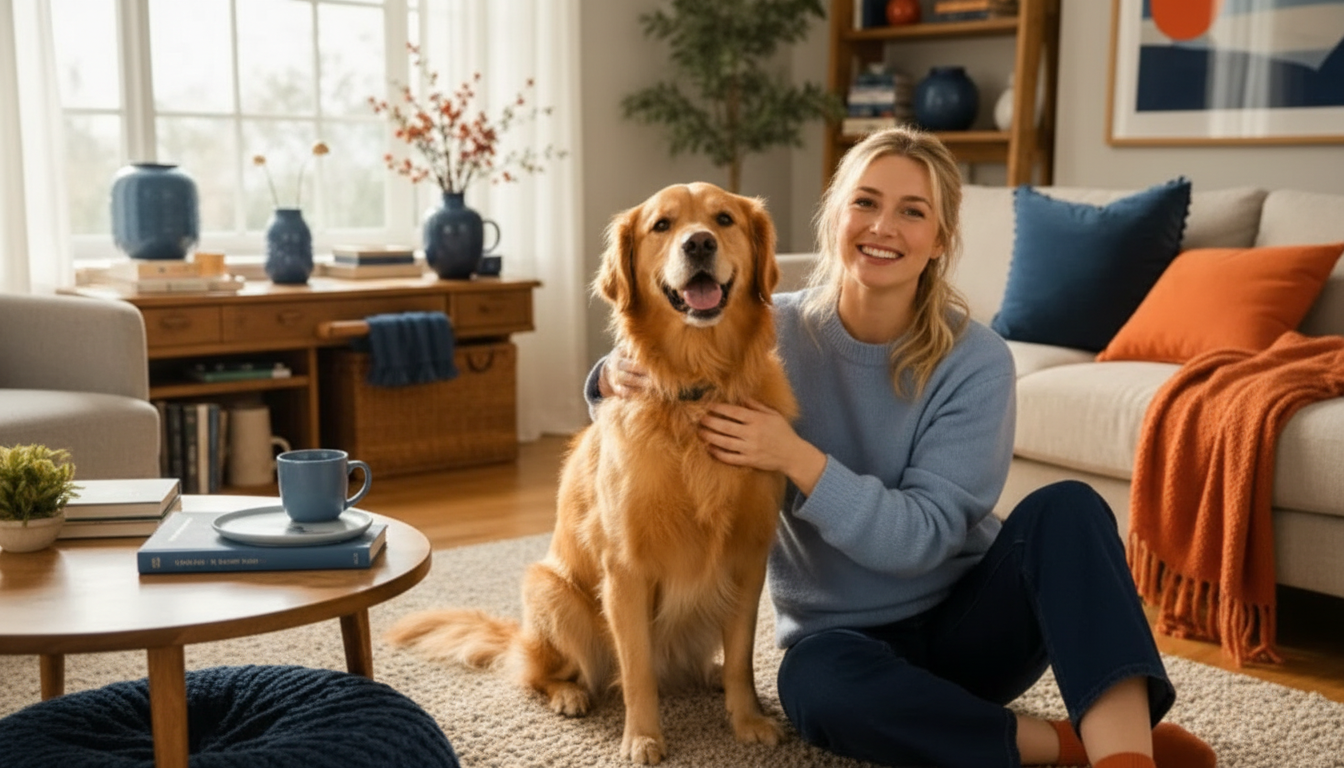
Cats and dogs can both be affectionate, playful companions, but they tend to express their personalities in different ways. In general, dogs are more socially outward and relationship-driven, while cats are more independent and environment-driven. That doesn’t mean one is friendlier than the other—just that their “default settings” often look different.
How dogs typically show personality
Dogs are often motivated by connection and cooperation. Many dogs enjoy routine interaction, look to people for guidance, and are quick to show excitement when their favorite humans come home. They may seek approval, respond strongly to praise, and prefer being included in whatever is happening—walks, playtime, training, or simply moving from room to room with the family.
Because dogs are usually more comfortable with direct social engagement, their affection can feel obvious: tail wagging, leaning in, following closely, and initiating play. They also tend to handle shared activities well, which is why training and group outings can be such a natural fit for many breeds and mixes.
How cats typically show personality
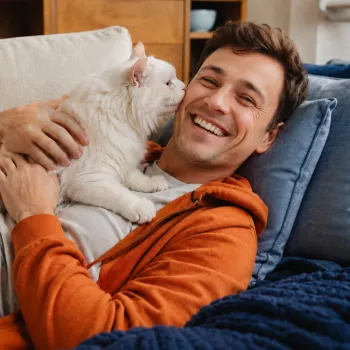
Cats often prioritize comfort, control, and choice. Many cats bond deeply with people, but they may prefer affection on their terms and in predictable settings. A cat’s loyalty can be quieter—resting nearby, slow blinking, head-butting, or choosing to spend time in the same room rather than constantly seeking attention.
Cats are also more likely to show curiosity through observation and exploration. Some are bold and social, greeting guests and “helping” with everything, while others are reserved and take longer to warm up. Their play style can be more bursty and stalking-focused, reflecting natural hunting instincts.
Why individual pets can break the “cat vs dog” stereotype
Early socialization, past experiences, breed tendencies, and day-to-day environment shape temperament as much as species does. You can find cats that act “dog-like” (greeting at the door, enjoying walks) and dogs that are more cat-like (independent, selective with affection). The best match comes from personality, not labels.
For more detail on behavior, bonding, and what to expect at home, visit the main article.
FAQ
Do cats get attached to their owners?
Yes. Many cats form strong bonds and show attachment by following you around, sleeping nearby, grooming you, or seeking out your lap and attention at specific times.








Leave a comment